

India’s pharmaceutical sector is no longer content with its "pharmacy of the world" moniker. As the industry pivots from high-volume generics toward high-value innovation and preventive care, domestic players are re-evaluating their playbooks. Central to this shift is the need for supply chain de-risking and a deeper push into the burgeoning consumer health segment.
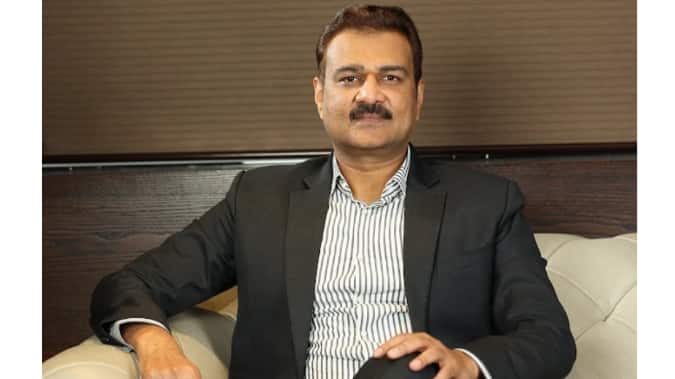
In conversation with FE Healthcare, Amit Gupta, Founder and Managing Director, Leeford Healthcare, discusses his road map to navigating the future through regulatory challenges and how they plan to capitalise on changing consumer health behaviours due to the impact of the pandemic. (Edited Excerpts)
Q. The Indian pharma industry is experiencing tremendous growth. What is your take on the current industry trends and how is Leeford Healthcare positioning itself in such an environment?
India’s pharmaceutical industry is entering a phase where scale, reach and global relevance are as imperative to success as new ideas. The country has already established itself as a major global supplier of generics, but our next phase needs to depend on how effectively we expand access, both domestically and internationally. At Leeford, we see ourselves as part of this access-driven growth process. Ever since our inception, we have been focused on creating a high-volume, diversified portfolio comprising over 75 therapeutic segments, backed by deep distribution reach. We can meaningfully advance India’s growth story by delivering quality medicines beyond metros, across geographies.
Q. Leeford Healthcare has built a strong presence in the generic medicines space. What differentiates your approach in an increasingly competitive and price-sensitive market?
In a price-sensitive market like India, differentiation does not come from pricing alone; it’s also a function of consistency, availability, and trust. Our way is to build -
- • Broad portfolio diversification so we can fulfill multiple therapeutic needs
- • Distribution depth, guaranteeing last-mile delivery
- • Quality assurance, which leads to long-term trust
I feel as though if a product is not in the market where it is needed, the product has no value. Starting my journey in distribution from within a mindset that has always been this way. That knowledge still drives us. We are applying the same philosophy in consumer healthcare. Just like brands like Alite, we are concentrating on science-led, accessible skincare, bringing pharmaceutical thinking into everyday wellness categories.
Q. Affordability remains a key challenge in Indian healthcare. How does Leeford balance cost efficiency with maintaining high quality and compliance with global standards?
Affordability and quality are not trade-offs for us; they are co-dependent. And here is how we strike this balance:
- • Efficient manufacturing technology and processes
- • Cost optimisation by volume of scale
- • Strict compliance with regulations and quality standards
Our belief is simple: “Affordable medicines should not mean compromised quality.”
We apply this philosophy to our consumer healthcare efforts like Alite, where science-based formulations are being made accessible at a wider price point, while maximising efficacy and safety.
Q. The Indian pharma industry faces regulatory complexities both domestically and in export markets. What have been the biggest regulatory hurdles for Leeford and how have you navigated them?
The drug industry, especially within pharmacies with activities in more than one market, needs to be regulated regularly and often in a complex manner. The key challenges include:
- • Changes in regulatory requirements to meet requirements
- • Timeline for documentation and approvals
- • Varying global standards
We have taken a different approach and we're working on compliance. We've been treating compliance as a core capability and not a hurdle or a limitation. We have built solid quality systems, processes, and teams to keep us always on target with regulatory requirements. And over time, it has turned into a strength, not a weakness.
Q. Digital transformation and health-tech integration are reshaping healthcare delivery. How is Leeford leveraging technology to enhance accessibility, efficiency and patient outcomes?
Technology has taken over the delivery and consumption of healthcare. In healthcare, this era of technology becomes central to the delivery and consumption of healthcare, and we consider technology a strong enabler of both high scale and efficiency. We are using technology in several ways over here at Leeford:
- • Improved availability through supply chain and distribution optimisation to reduce bottlenecks
- • Demand planning driven by data that minimizes stock gaps
- • Building upon our e-commerce and digital footprint
Digital platforms are particularly significant in consumer healthcare. Brands like Alite, however, are using digital channels not just to reach customers but also to educate and promote to consumers on ingredients and skincare routines, which is becoming a crucial part of the consumer journey.
Q. Given the growing presence of both domestic and global pharmaceutical players, how do you assess the competitive landscape and where does Leeford hold a strategic edge?
The battle between India’s big pharma firms has always been fierce and this trend will never reverse. But the key differentiator is, we think, actually in:
- • Distribution strength
- • Portfolio breadth
- • Execution capability
We have a strong platform, operating in over 75 therapeutic spaces and with significant penetration of the non-metros. What's more, the flexibility that we have to bring pharma experience into the next levels is to extend further downstream into adjacent segments from consumer healthcare (with Alite), which gives us the ability to participate not just in traditional pharma, but also in emerging areas of growth.
Q. Preventive healthcare and wellness are emerging as significant growth segments. How important is Leeford’s wellness division in driving future revenues and aligning with changing consumer preferences?
Preventive healthcare and wellness are not only niche segments, but they are also now at the core of how consumers view health. This is also an important focus area for us. Consumers today are:
- • More aware of ingredients
- • More active in health
- • Looking for science-backed daily solutions
This shift is reflected in our wellness and personal care portfolio. We believe the goal will be to bring pharmaceutical credibility, make these solutions become part of everyday life and skincare and give a broader audience access to them. We consider this a significant driver of growth over the next few years.
Q. What opportunities and challenges are Indian pharma companies facing as global supply chains evolve under the China+1 strategy?
The China+1 strategy is a major opportunity for India, particularly in pharmaceuticals. India already has a lot of solid capabilities in:
- • Formulations
- • Generic manufacturing
- • Regulatory compliance
Yet there remains a particular focus point for the industry on decreasing dependence on imports, particularly APIs. At Leeford, we are:
- • Boosting our sourcing strategy
- • Exploring greater domestic integration where feasible
- • Forming partnerships to promote the stability of supply
In the long run, though, this trend will not only enhance resilience but also reinforce India’s national role as a major hub for global pharma operations.
Q. What are the Indian healthcare and pharmaceutical sector’s biggest growth opportunities and risks in the next 5–10 years and how is Leeford preparing to capitalise on them?
Two major themes shaping the next decade will be access and scale.
Opportunities:
- • Increase access to domestic healthcare
- • Growth in chronic therapies
- • Increased need for preventive healthcare and wellness
- • Rising worldwide demand for affordable generics
Risks:
- • Regulatory complexities.
- • Pricing pressures.
- • Supply chain dependencies.
At Leeford, we are preparing by:
- • Enhancing our access and footprint.
- • Diversifying into consumer healthcare and wellness.
- • Continuing to build a diversified portfolio.